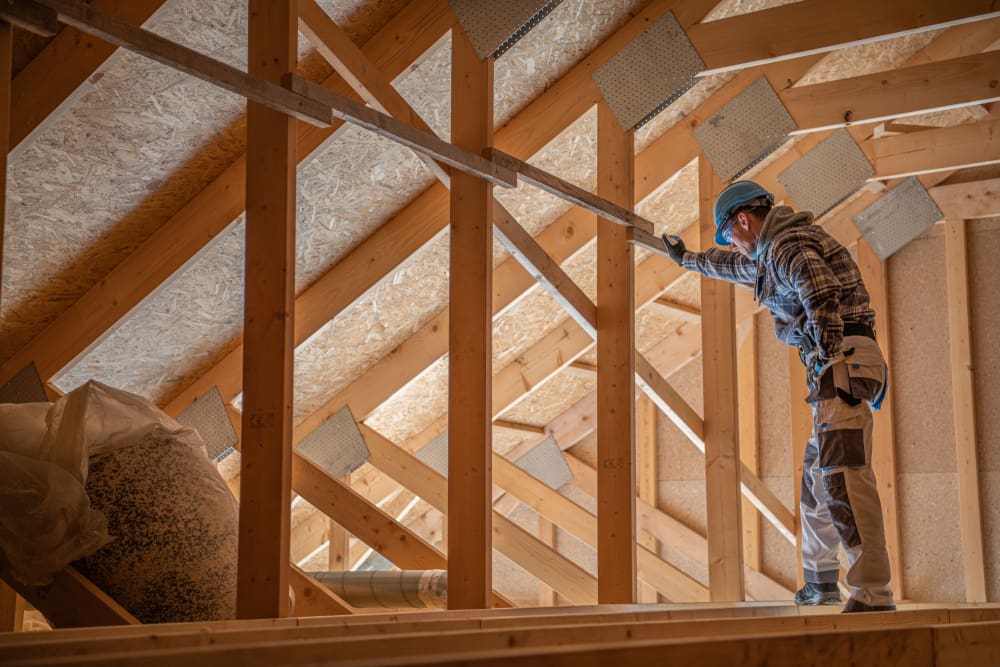
Cellulose insulation is basically shredded-up newspaper or recycled paper that’s treated with chemicals like borate and ammonium sulfate to make it fire- and insect-resistant. You’ll often hear it called “blown-in” insulation because it’s usually blown into walls, floors, and attic spaces as a loose, fluffy material.
It creates this snug layer that helps keep homes warmer in winter and cooler in summer by holding in the indoor temperature and blocking out the outside air. Also, it’s eco-friendly; with cellulose, you’re looking at insulation made up of 80-85% recycled paper.
How Does Cellulose Stack Up Against Other Insulation?
Now, if you compare it with other insulation options, there are pros and cons. Fiberglass and spray foam are big players here. Spray foam, especially closed-cell spray foam, is popular because it doesn’t soak up moisture and it creates a tighter seal against airflow.
Open-cell spray foam is more affordable but allows some moisture through. Fiberglass is easy to install, cost-effective, and pretty mold-resistant, but it doesn’t offer quite the same snug fit as cellulose or spray foam.
Here’s how cellulose stacks up:
- Eco-friendly Factor: Since cellulose is made from recycled paper, it’s one of the greenest insulation options available. This can be a major plus if you’re looking for sustainable ways to build or upgrade your home.
- Thermal Performance: Cellulose has a high R-value (which is how well a material resists heat flow). This means it does a good job of keeping the heat outside where it belongs and the cool air inside where you want it.
- Air Sealing: Cellulose does a great job at filling in tiny gaps, like all those random crevices in walls and attics. When it’s sprayed in, it kind of fills every little nook and cranny, which helps prevent drafts and air leaks.
- Noise Reduction: Cellulose can help block out noise from outside or between rooms, which can be a sweet bonus.
Why Cellulose Works in Florida (and Why It Might Not)
Here are some of the pros and cons of cellulose insulation in Florida:
Why It Works
- Moisture Management: One of the biggest issues with insulation in a humid state like Florida is mold. Nobody wants it, but it can be hard to avoid in a place with year-round humidity. Cellulose, though, is treated with chemicals that resist mold, so even in damp conditions, it’s pretty resilient.
- Fire Safety: Believe it or not, cellulose can actually be safer in a fire than some other types of insulation. Those borate treatments that make it bug-resistant also help slow down flames, which is a great feature to have in any insulation.
Potential Downsides
- Settling Over Time: Loose-fill cellulose can settle over time, especially in places like walls. That can create little gaps where air can sneak through. In an attic, though, this isn’t as much of an issue, so that’s worth considering if you’re thinking about where to install it.
- Heavy in the Humidity: Florida is humid, and as much as it resists mold, cellulose can absorb moisture. Over time, this moisture can make it heavy and clumpy, which isn’t ideal because it can mess with the insulation’s efficiency. This is why some people might prefer foam or fiberglass, which don’t absorb moisture in quite the same way.
If you want a quieter, eco-friendly option that’s not too tough on the wallet? Cellulose could be a solid choice, especially in attics or spaces where you can do a thicker layer.
Overall, Is Cellulose Insulation Worth It for Your Florida Home?
If you’re considering cellulose insulation, it’s all about balancing the pros and cons with your specific situation. Here are a few key things to think about:
- Your House’s Design: Is your home a newer build or a classic Florida bungalow? Newer homes may already have decent insulation, so cellulose might be a good upgrade in the attic. Older homes with little to no insulation in the walls can benefit from cellulose blown into the wall cavities.
- Your Budget: Cellulose is usually cheaper than spray foam but a bit more expensive than fiberglass. It can offer good value, but costs can add up if you’re planning a full insulation overhaul.
- Your Needs: If you want a quieter, eco-friendly option that’s not too tough on the wallet? Cellulose could be a solid choice, especially in attics or spaces where you can do a thicker layer.
Let Bringman Roofing Make Your Home Comfortable All Year-Round
If you’re ready to make your Florida home more energy-efficient and eco-friendly, Bringman Roofing is here to help guide you through the insulation process.
Fill out our form for a free consultation and let us help you determine the best insulation option to keep your home comfortable and safe.