
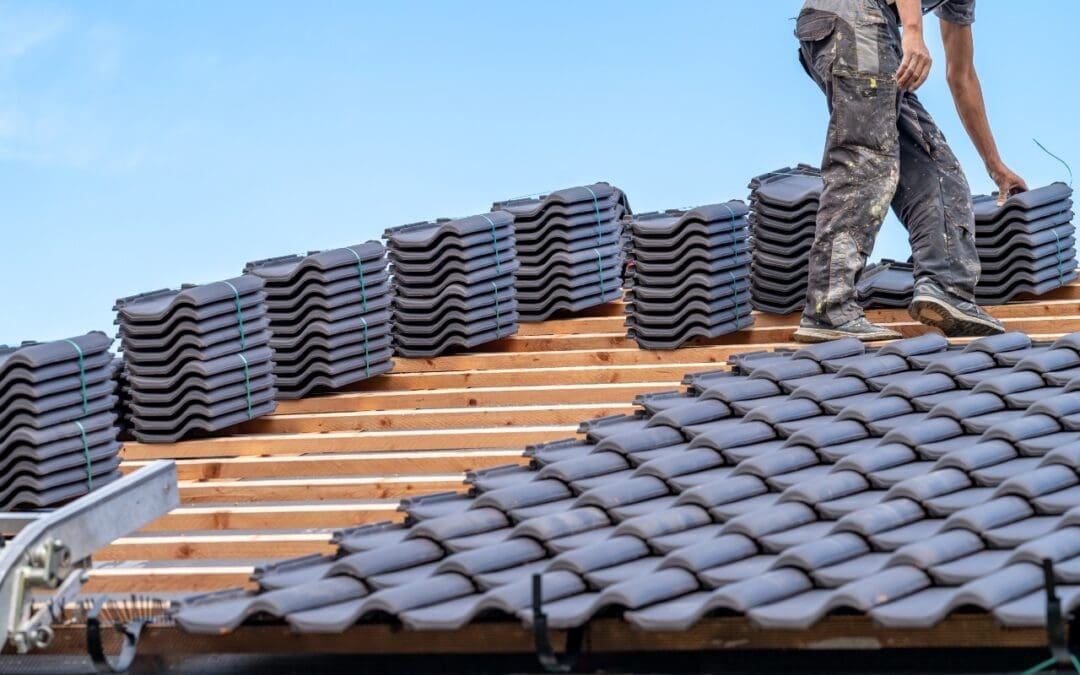
A roof replacement is not a small job, and the more prepared you are going in, the smoother the whole process tends to go. In Florida, there are a few considerations that do not apply in other parts of the country, from storm season timing to permit requirements to the way heat and humidity affect the work schedule.
In this post, we will walk through five practical things you can do before your crew arrives to make the project easier on everyone, including yourself.
Five Tips To Prepare Your Home For A Roof Replacement
1. Plan Around Florida’s Hurricane Season
Hurricane season runs from June through November. While roofing work can and does happen during this window, scheduling your replacement outside of peak storm months gives you more flexibility if weather causes delays. It also means your old roof will not be partially removed during a period when a sudden storm could expose your home’s interior. If a replacement is urgent and the timing cannot wait, discuss contingency planning with your contractor before the project begins.
2. Clear the Area Around Your Home
Roofing crews start early, and materials move in and out throughout the day. Before the job begins, move vehicles out of the driveway and clear the area around your home’s perimeter.
Relocate patio furniture, potted plants, grills, and anything else that sits close to the roofline. Debris and roofing nails are a normal part of the process, so the less that is in the way, the cleaner and faster the end-of-day cleanup. It is also worth giving your neighbours a quick heads-up about the noise and any delivery trucks that may be coming and going.
3. Protect Items Inside the Attic and Top-Floor Rooms
The vibration from tear-off and installation work can travel through the structure of your home. Wall hangings, framed photos, and lighter decorative items have been known to shift or fall during a busy day of roofing. Take a few minutes to remove anything fragile from walls and shelves in the rooms directly below the work area. If you have a finished attic, check that nothing stored there could topple over during the project.
4. Confirm the Permit Before Work Begins
In Florida, a roofing permit is typically required for a full replacement in most jurisdictions, including Manatee and Sarasota counties.
Your contractor should pull the permit before any materials are removed. If a permit is not in place and work begins anyway, you may face issues later, including when selling the home, and it can complicate documentation if you ever need to make an insurance-related repair claim. Ask your contractor to confirm the permit number and post it on site as required. This is a routine step for licensed roofing contractors and a reasonable thing to verify before the job starts.
5. Make a Plan for Noise and Access During the Job
Roof replacement is loud. Expect full days of hammering, nail guns, and material being moved across the roof surface from early morning onward. If you work from home, have young children, or have pets that are sensitive to noise, it is worth arranging to be elsewhere during peak work hours. You will also want to make sure the crew has clear access to your property each day, and that any gates or side entrances are unlocked before they arrive.
At Bringman Roofing, we have been replacing roofs across Manatee and Sarasota counties for over 50 years. We handle permitting, cleanup, and the details of each project so you are not left figuring things out on your own. If your roof is approaching the end of its service life or you have questions about what replacement involves, we are happy to walk you through it. Contact our team to schedule a roof replacement consultation today.
Frequently Asked Questions About Roof Replacement in Florida
How long does a roof replacement take in Florida?
Many residential roof replacements in the Sarasota-Bradenton area are completed within one to three days, depending on the size of the home, the roofing material, and weather conditions. Tile roofs typically take longer than shingle installations. Your contractor should give you a realistic timeline at the estimate stage and communicate any changes as the project progresses.
Will my homeowner’s insurance cover a roof replacement?
It depends on the cause of the damage and your specific policy. Insurance typically covers replacement when the damage results from a covered event such as a named storm or sudden impact. Deterioration from age or deferred maintenance is generally not covered. After any significant storm, it is worth having your roof inspected and documenting any damage promptly. A licensed contractor can help you understand what is present and what may be worth submitting to your insurer.
Should I be home during the roof replacement?
You do not need to be home, but someone should be reachable by phone in case the crew has questions or encounters something unexpected, such as damaged decking beneath the old roofing. If you choose to be present, stay clear of the immediate work area for safety. The crew will need unobstructed access to all sides of the home throughout the day.