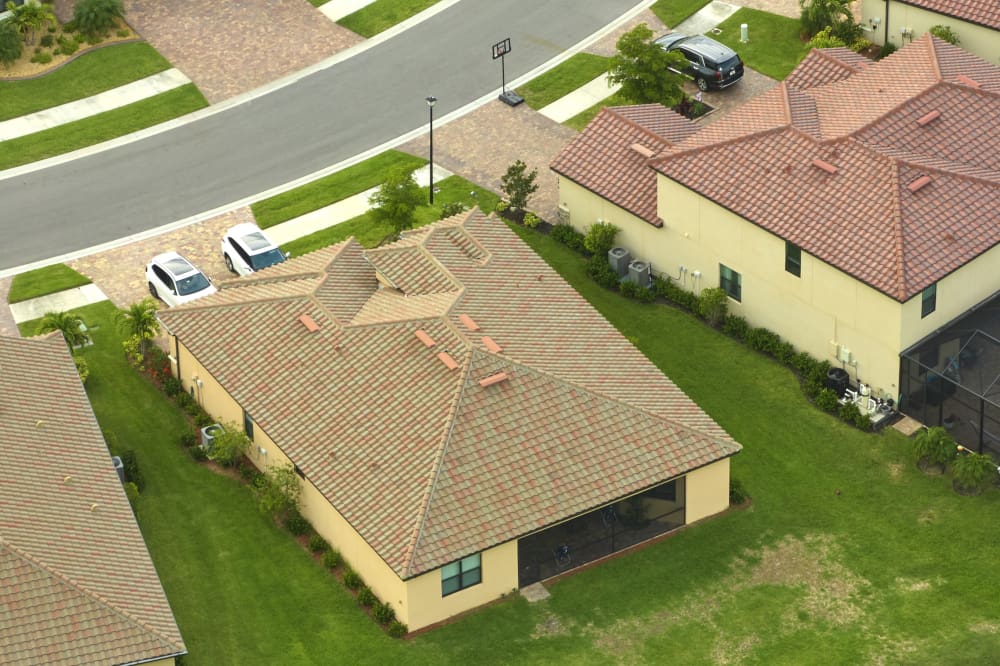
No roof lasts forever. At some point, you’d be faced with the need to pull out the old one to be replaced by something more efficient or more aesthetic.
Whether you’re dealing with a roof that’s seen better days or just planning ahead, you probably have a lot of questions. What should you consider before making a choice? How do you know if repair or replacement is the right move? And what about insurance—does it really cover the cost?
In this guide, we’re diving into the top five questions people have when it comes to getting a new roof. We’ll break down everything from how often you should replace your roof in our sunny, stormy climate.
1. How Often Should I Replace My Roof in Florida?
In Florida, the harsh sun and frequent storms can take a serious toll on your roof. While roofs in cooler climates might last 20 to 30 years, here in Florida, you’re looking at a typical lifespan of about 15 to 20 years for asphalt shingles.
That’s partly because of the intense UV rays, high humidity, and the occasional hurricane or tropical storm. If your roof is nearing the end of its lifespan, or you’re starting to notice leaks or missing shingles, it’s probably time to consider a roof replacement.
2. Can I Simply Repair Instead of Completely Replace?
You might be able to repair your roof instead of replacing it, but it depends on the damage. If your roof is still fairly new and only has a few minor issues, like a few missing shingles or a small leak, a repair could do the trick.
However, if your roof is old and has bigger problems, like lots of leaks or widespread damage, a repair might not be enough.
In Florida, where the weather is tough on roofs, repairing an old roof can lead to bigger issues down the line. Your best option in most cases is to simply replace the entire thing.
3. Does My Homeowner Insurance Cover Roof Replacement?
Your homeowner’s insurance might cover roof replacement, but it depends on what caused the damage. If your roof is damaged by something sudden, like a storm or a tree falling on it, insurance often helps with the cost.
If the damage is from wear and tear or poor maintenance, insurance usually won’t cover it. Check your policy to see what’s included, and talk to your insurance agent to understand your coverage and any potential costs.
Once you have your new roof, you’ll want to take steps to keep it in top condition for as long as possible.
4. What Are the Best Roofing Materials for Florida Homes?
When it comes to roofing materials, Florida homeowners need to choose wisely. The hot sun, heavy rain, and occasional high winds mean you need something durable and resilient.
Asphalt shingles are popular because they’re cost-effective and relatively durable, but you might want to consider metal roofing or concrete tiles for something even tougher.
Metal roofs, for example, can withstand high winds and are resistant to fire, which can be a big plus during hurricane season. Concrete tiles are heavy and can handle the sun’s rays well, but they can be more expensive.
5. How Can I Maintain My New Roof and Extend Its Lifespan?
Once you have your new roof, you’ll want to take steps to keep it in top condition for as long as possible. Regular maintenance is key if you want to make this new roof last. Maintenance typically includes inspecting your roof periodically for any signs of damage or wear, especially after severe weather.
You also have to keep your gutters clean and free of debris to ensure proper drainage. Overhanging tree branches should be trimmed back to prevent them from rubbing against the roof or dropping debris.
If you notice any issues, such as missing shingles or leaks, address them promptly to prevent more extensive damage. Also, consider scheduling professional inspections annually or after major storms to catch any potential problems early.
To get started, contact Bringman Roofing. We are a reputed, bonded, and insured roofing contractor company serving Sarasota and Manatee counties – get in touch with our team today!