Florida homeowners know that storm season is not something to take lightly. According to FEMA, hurricanes can bring damaging winds, heavy rainfall, flying debris, and prolonged exposure to severe weather conditions that put homes under significant stress. Even if a storm does not make direct landfall in your area, strong winds and rain bands can still cause considerable roof damage.
Many roofing problems become much less severe when homeowners take a few preventative steps before a major storm arrives. While no roof is completely immune to Florida weather, proper preparation can help reduce the risk of costly repairs and premature roof replacement.
In this post, we will cover three practical ways to help protect your roof before storm season and explain why a little preparation today can save a great deal of frustration later.
Schedule a Professional Roof Inspection Before Storm Season
One of the most effective things you can do is have your roof professionally inspected before severe weather arrives.
Small issues often go unnoticed from the ground. A cracked tile, loose flashing, deteriorating sealant, exposed fasteners, or minor underlayment issue may not seem significant today, but strong winds and heavy rain can quickly turn a small weakness into a major leak.
A professional roof inspection helps identify vulnerable areas before they are tested by a storm. It also gives you time to complete repairs under normal conditions rather than trying to find emergency roofing assistance after widespread storm damage has already occurred.
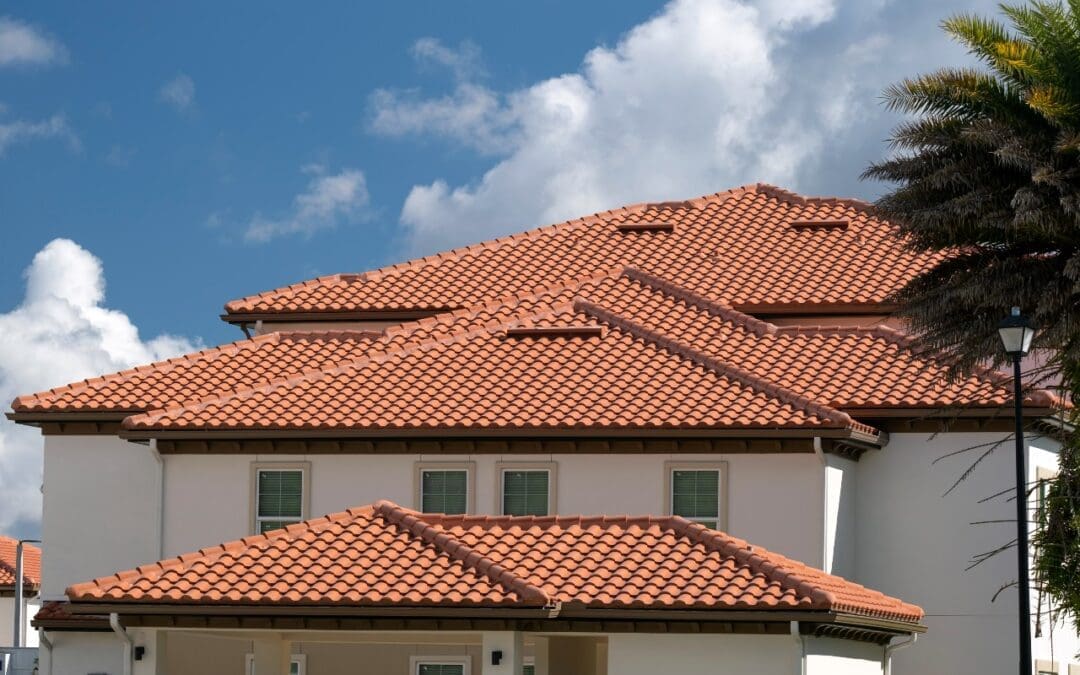
For tile roofs in particular, early repairs are often far less expensive than addressing widespread water intrusion after a hurricane.
Clear Debris and Trim Nearby Trees
Many roofing problems during storms start with debris rather than the storm itself.
Overhanging branches can scrape roofing materials during high winds or break off entirely during severe weather. Leaves, pine needles, dirt and other debris can also collect in valleys, gutters, and drainage paths, making it harder for water to move away from the roof efficiently.
Before storm season, take time to:
- Trim branches that hang over the roof
- Remove loose debris from the roof surface
- Clean gutters and downspouts
- Clear roof valleys and drainage areas
These simple maintenance tasks help reduce the chances of impact damage and improve your roof’s ability to shed water during heavy rainfall.
Strengthen Your Home’s Wind Resistance
Wind is one of the biggest threats to roofing systems during hurricanes and tropical storms.
As wind speeds increase, pressure differences around the home can place tremendous stress on roofing materials, roof edges, and structural connections. Even a small area of failure can allow wind to get underneath roofing components and worsen the damage.
This is why Florida places significant emphasis on wind mitigation measures that help strengthen the connection between the roof and the rest of the home. Features such as proper roof-to-wall attachments, secondary water barriers, reinforced roof decking, and approved roofing materials can all contribute to better storm performance.
The National Weather Service provides a helpful overview of wind mitigation techniques homeowners can take before a stormwhen considering ways to improve storm readiness. If you are unsure whether your roof meets current standards, a qualified roofing professional can evaluate the roof system and identify the next logical steps.
Let Bringman Roofing Help You Prepare for Storm Season
Storm preparation is much easier when you know your roof is in good condition before severe weather arrives.
At Bringman Roofing, we help homeowners throughout Sarasota, Bradenton, and surrounding Gulf Coast communities identify roofing vulnerabilities before they become costly problems. Whether you have a tile roof, asphalt shingle roof, or another roofing system, our team can assess its condition and recommend practical solutions that support long-term protection.
Bringman Roofing is a local roofing company with deep experience serving Florida homeowners through multiple storm seasons. Contact our team today to make sure your home is ready before the next major storm arrives.
Frequently Asked Questions About Storm Preparation for Florida Roofs
How often should I have my roof inspected in Florida?
An annual inspection is a reasonable baseline for most Florida homes.
Also, if your property has been through a significant storm, it is worth scheduling an additional inspection after the event, even if there is no obvious interior damage. Post-storm inspections often turn up issues such as lifted fasteners, shifted tiles, or flashing movement that are not visible from inside the home and that will worsen over subsequent weather events if left unaddressed.
What is the most common type of roof damage after a Florida hurricane?
Wind uplift affecting shingles, tiles, ridge caps, and flashing is among the most frequently documented types of storm damage to residential roofs in Florida. Water intrusion through failed or displaced roofing materials follows closely. In many cases the two are connected: wind creates the entry point, and rain does the interior damage. Debris impact, such as fallen branches or windborne materials striking the roof surface, is also common, particularly in areas with mature tree cover.
Can a new roof still suffer storm damage?
Yes. Even newer roofs can experience damage from flying debris, fallen branches, or extreme wind events. Professional inspections and preventative maintenance remain important regardless of roof age.