
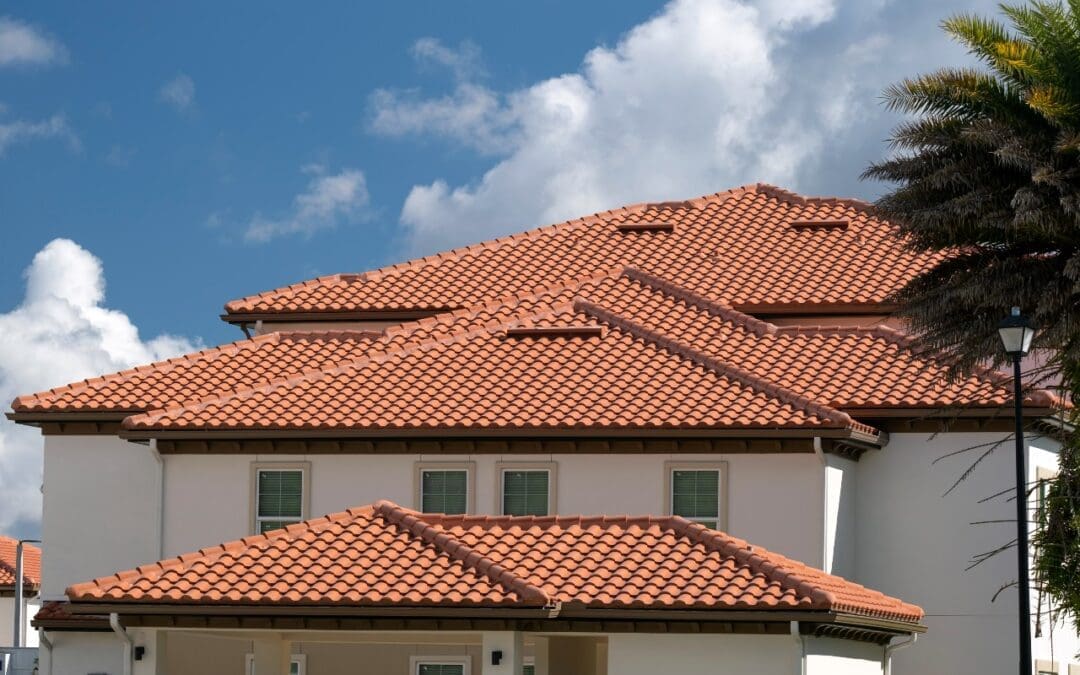
Florida roofs don’t just deal with rain – they handle sun, salt air, wind, and insurance inspections year after year. For many Sarasota-Bradenton homeowners, the real decision comes down to two systems: tile or asphalt shingles.
Both can perform well here when they’re installed correctly and paired with the right underlayment and fastening system. The question is which one fits your home, budget, and long-term plans. Below is a simple side-by-side look at tile vs. shingle roofing for Gulf Coast homes, followed by a few FAQs to help you think through the tradeoffs.
Tile vs Shingle: Which is Right For Your Home?
Before you pick a color or profile, it helps to understand how the systems differ in structure, cost, and performance. Here’s a quick overview:
| Factor | Tile Roofing | Shingle Roofing |
| Upfront cost | Higher material and labor cost; better suited to “forever home” projects | Lower initial cost; easier to budget for rental properties or re-roofs |
| Lifespan* | Commonly 40-50+ years with proper install and underlayment | Often around 15-20 years in Florida’s climate |
| Wind & storm performance | Excellent when installed to code; individual tiles may crack but roof sheds water | Modern shingles can be rated for high winds but may lose granules over repeated storms |
| Weight & structure | Much heavier; older framing may need engineering review | Lightweight; works with most existing truss systems |
| Energy & comfort | Thicker system helps keep attics cooler and can improve efficiency | Less insulating, though reflective shingle options can help with heat |
| Style & curb appeal | Strong Mediterranean/coastal look; often favored in many Florida communities | Very wide color/profile range; easier to match during future repairs |
| Maintenance & repairs | Low day-to-day upkeep; repairs are more specialized per-tile | Occasional maintenance; individual shingle replacement is straightforward |
*Actual lifespan depends heavily on installation quality, underlayment, and maintenance.
Both systems can protect your home when they’re properly engineered for wind, installed to current code, and maintained over time. The “right” answer often comes down to your framing, HOA requirements, insurance goals, and how long you plan to stay in the home. A healthy conversation with a local roofer who works Sarasota and Manatee County roofs every day will usually clarify the best fit for your property.
Bringman Roofing has been installing and servicing tile and shingle roofs in Sarasota and Manatee counties since 1974, so we’re comfortable laying out the pros and cons without pushing you in the wrong direction. We’ll inspect your home, review your structural and insurance needs, and quote both options so you can make a clear, confident decision.
Also, when we install a new roof, we follow the Florida Building Code roofing fact sheet to meet current underlayment and wind-load standards. Contact us today to schedule a no-pressure roof evaluation and estimate.
FAQs About Tile and Shingle Roofing in Florida
What are the Benefits of Tile Roofing in Florida?
Tile is a good match for many Gulf Coast homes because:
- It offers excellent durability when paired with a quality underlayment, with many systems designed to last decades longer than shingles.
- Properly installed tile roofs can perform very well in high-wind events, which is critical along the coast.
- The extra mass helps with energy efficiency and can make interiors more stable in extreme heat.
- It delivers a distinctive, upscale look that fits Mediterranean and coastal architecture common in the Sarasota-Bradenton area.
What are the Benefits of Shingle Roofing in Florida?
Asphalt shingles remain popular here for a reason:
- Lower upfront cost makes them a practical option for many families, landlords, and first-time buyers.
- Shingles are lighter, so they fit most existing roof structures without added engineering.
- Repairs are simpler: individual damaged shingles can often be swapped without opening large areas of the roof.
- Architectural shingles come in many colors and profiles, so you can get a clean, modern look without tile pricing.
Are There Any Tile Roof Maintenance Tips?
Yes, tile roofs are low-maintenance, not “no-maintenance.” A few best practices:
- Schedule periodic roof inspections, especially after major storms, to check for cracked or displaced tiles and aging underlayment.
- Keep valleys, gutters, and downspouts clear so water can move off the roof as designed.
- Address slipped or broken tiles promptly to prevent water from reaching the underlayment and decking.