
With our heavy rainfalls, occasional storms, and salty sea air in the Sarasota and Bradenton counties, a solid roof system needs all the help it can get.
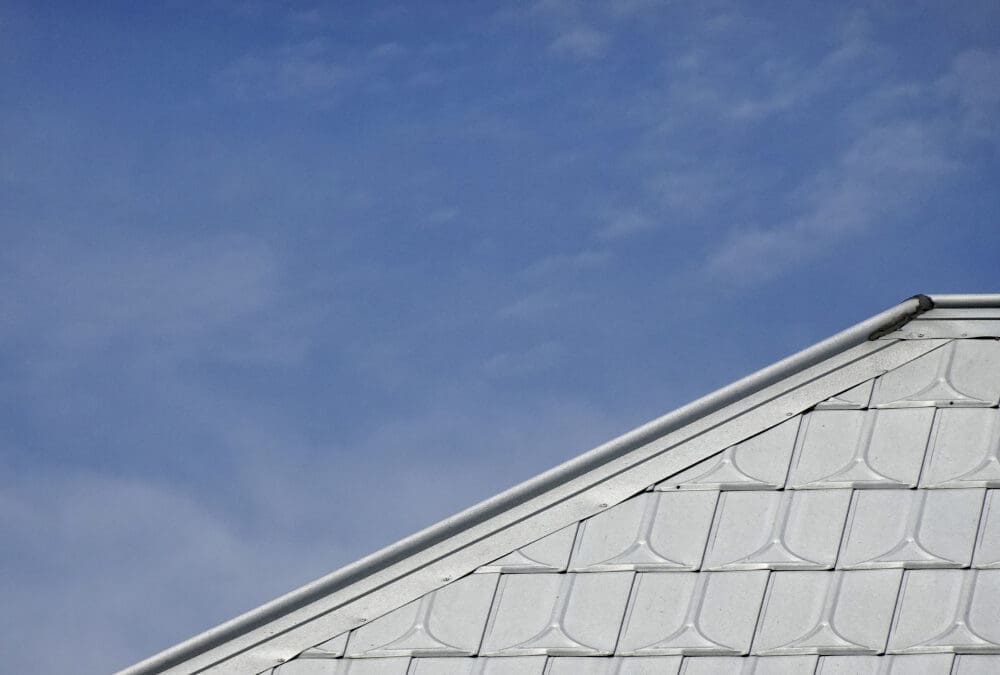
Roof flashing is a material, usually metal, that’s installed around certain areas of the roof where there are gaps or changes in angle. These spots are called intersections.
They typically include chimneys, valleys (where two roof slopes meet), skylights, vents, and around the edges of your roof. Water loves to find these gaps and sneak in if they’re not sealed properly. Flashing stops that.
In simpler terms, flashing is like a shield that blocks water from entering vulnerable areas. It can be made of different materials, but most commonly it’s made of metals like aluminum, copper, or galvanized steel.
How is Roof Flashing Installed?
Here’s a basic rundown of how it’s done:
- Identify Vulnerable Areas: The first step is identifying all the places on your roof that need flashing.
- Cut and Shape the Flashing: Once the areas are identified, the flashing material is carefully measured and cut to fit. The flashing is shaped to align with the angles of the roof and the structures that it’s meant to protect.
- Install Flashing Underneath Shingles: Flashing should be placed underneath the shingles to create a waterproof seal. This means lifting the shingles, sliding the flashing underneath, and then securing everything back in place. The edges of the flashing are sealed with roofing cement to ensure that there’s no chance of water sneaking through.
- Overlapping for Extra Protection: In areas where two pieces of flashing meet, like at a roof valley or around a chimney, the pieces should overlap to create an additional layer of protection. This way, if one layer of flashing becomes damaged, the other one still has your back.
- Securing the Flashing: Finally, the flashing is secured with nails or screws, and any joints are sealed with caulk or roofing cement to ensure there are no gaps.
What Is Roof Flashing Made Of?
Here are the common materials used for flashing:
- Aluminum Flashing: This is one of the most popular choices. It’s lightweight, resistant to corrosion, and fairly easy to work with. In Florida, especially in the cities of Sarasota and Bradenton where the salty air from the ocean can speed up rusting, aluminum flashing is a solid choice.
- Copper Flashing: Copper is highly durable and resistant to corrosion. It’s a premium option, often used for more decorative roofs or areas like chimneys. The beauty of copper is that it ages nicely and develops a patina over time.
- Galvanized Steel Flashing: Steel that’s coated with a layer of zinc to prevent rust is often used in roof flashing. It’s sturdy and resistant to damage, though it’s a little heavier than aluminum.
- Lead Flashing: While not as commonly used today, lead flashing is still popular for its durability and flexibility. It’s particularly effective at sealing tricky corners and joints. But of course, you always have to keep the environmental risks of lead in mind.
- PVC and Rubber Flashing: These materials are sometimes used around vents, pipes, and skylights. They’re flexible and easy to install but may not have the same lifespan as metal flashing.
If you’re a homeowner in Sarasota, Bradenton, or anywhere else in Sarasota and Manatee Counties, you should know that it’s your duty to protect your roof against Florida’s harsh climate.
Why is Roof Flashing Necessary for Florida Roofs?
Now, let’s get into the big question: Is roof flashing really necessary for homes in Florida, particularly in Sarasota, and Manatee Counties?
The short answer: Absolutely. Here’s why:
Heavy Rainfall and Storms
Florida is no stranger to intense rain and storms, especially during hurricane season. When heavy rain hits, it can pour down in buckets. Roof flashing is the first line of defense to keep that water from leaking into your home.
Without proper flashing, water can seep through even the smallest gap and cause significant damage over time.
Coastal Exposure
For homeowners near the coast, like those in Sarasota and Bradenton, the salty air from the ocean can cause materials to deteriorate faster. Flashing made from materials like aluminum or copper helps protect your roof from this corrosion.
Temperature Fluctuations
Florida’s temperatures can swing from really hot to cooler at night, especially in places like Sarasota and Bradenton. This expansion and contraction of roofing materials can cause gaps to form over time. This is one of the core reasons why flashing needs to be in place to seal up those gaps.
Wrapping Up
If you’re a homeowner in Sarasota, Bradenton, or anywhere else in Sarasota and Manatee Counties, you should know that it’s your duty to protect your roof against Florida’s harsh climate.
Nonetheless, there are experts at Bringman Roofing ready to take that responsibility off your shoulders. We’ll get it right the first time with quality flashing that fits the specific needs of our local climate.
If you’re worried about your roof’s flashing or want to be proactive before the next storm hits, give us a call right away!